Gambling

Gambling Doesn't Have to Control the Game.

Gambling can be entertainment. But when betting starts affecting your money, relationships, responsibilities, or well-being, it may be time to take a closer look.

Whether it’s sports betting, casino games, lottery tickets, online gambling, or betting with friends, knowing the warning signs can help you recognize a problem early and know where to turn for help.

Concerned about your gambling or someone else’s? Help is available

What Is Problem Gambling?

Problem gambling isn’t simply about how much money someone loses. It’s about when gambling starts causing problems in someone’s life.

Problem gambling, also called gambling addiction or gambling disorder, can affect a person’s finances, relationships, work, school, mental well-being, and everyday responsibilities. Gambling disorder is a recognized mental health diagnosis.

And it can happen to anyone who gambles.

Gambling can include:
  • Sports betting and fantasy sports
  • Casino games
  • Lottery tickets and scratch-offs
  • Online casinos and betting
  • Poker and card games for money
  • Betting on races, games, or competitions
  • Gambling through apps or other digital platforms
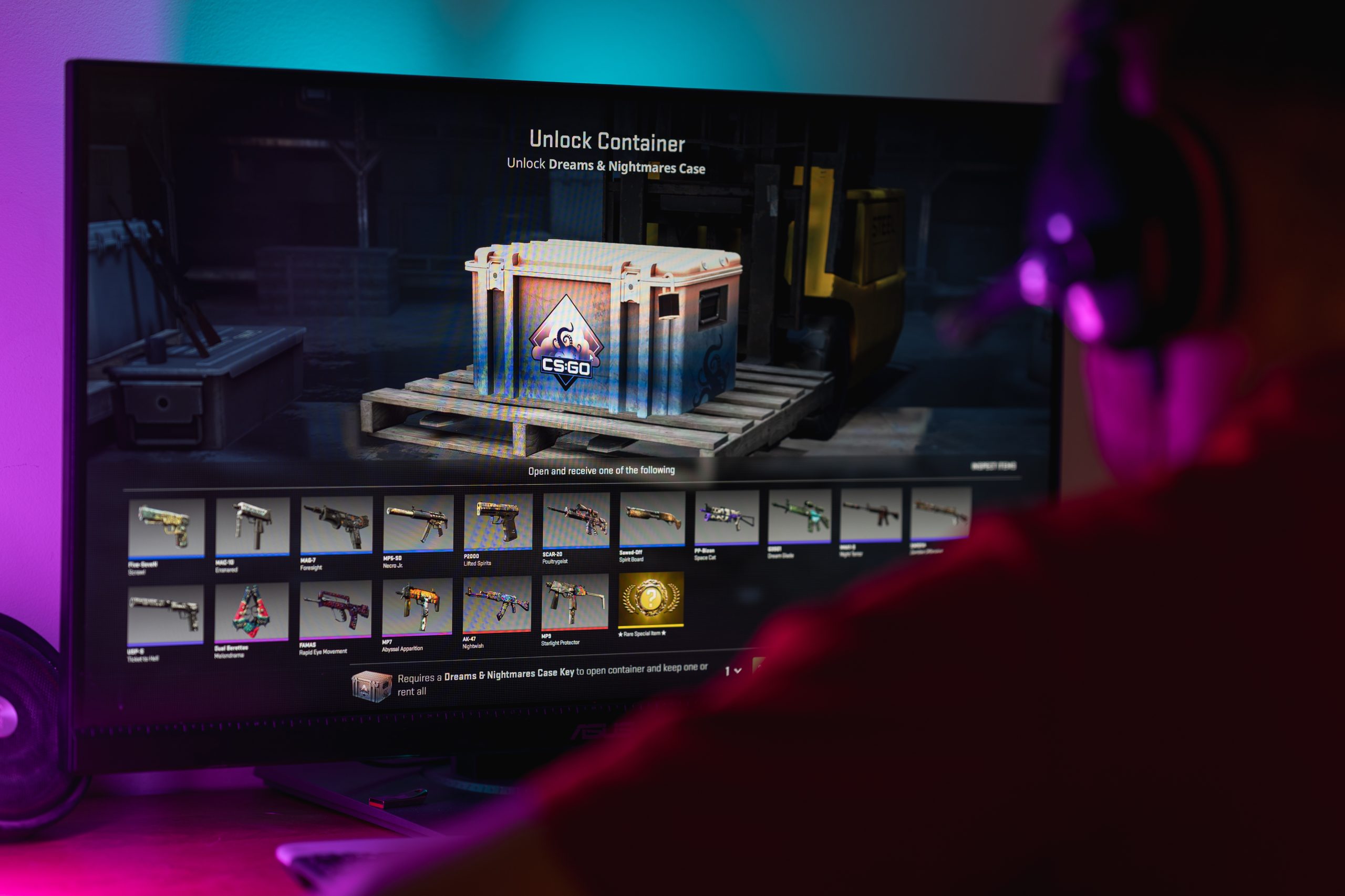
  • Gambling-like features in games and other online spaces

Not everyone who gambles develops a problem. But recognizing risky behavior early can make it easier to change course before gambling causes serious harm.

Gambling Doesn't Always Look Like Gambling.

You don’t have to sit at a casino table to be affected by gambling.

Today, betting can happen from a phone, during a game, through an app, or with a few taps online.

It might look like:

“Just one bet on the game.”
Sports betting and parlays can make gambling feel like part of being a sports fan.

“It’s only an app.”
Online gambling makes betting available almost anywhere, at almost any time.

“I’m just playing for fun.”
Gambling can start casually and become more frequent or costly over time.

“I’ll win it back.”
Trying to recover money after a loss, also called chasing losses, is one of the warning signs of problem gambling.

The easier gambling becomes to access, the easier it can be to lose track of how often you’re doing it.

Know the Warning Signs

A gambling problem doesn’t always start with a major loss. Sometimes the signs show up gradually.

You may want to take a closer look if you or someone you know:

  • Thinks about gambling frequently or feels preoccupied with the next bet
  • Needs to bet more money or gamble more often to get the same excitement
  • Keeps gambling after losing money to try to win it back
  • Feels restless, irritable, or uncomfortable when trying to cut back or stop
  • Hides gambling or lies about how much time or money is being spent
  • Spends more money gambling than intended
  • Borrows money or sells things to gamble
  • Uses gambling to escape stress, anxiety, loneliness, or other difficult feelings
  • Misses work, school, family time, or other responsibilities because of gambling
  • Experiences financial problems because of gambling
  • Has arguments or problems with family or friends because of gambling
  • Tries to stop or cut back but can’t

One sign doesn’t automatically mean someone has a gambling disorder.

But if several of these sound familiar, it may be worth taking a closer look.

Who May Be at Greater Risk?

Anyone who gambles can develop a gambling problem. But some factors may increase the risk.

Research from the National Council on Problem Gambling has identified higher risk among people who:

  • Gamble frequently
  • Participate in multiple types of gambling
  • Bet on sports or fantasy sports
  • Gamble online
  • Believe gambling is a reliable way to make money
  • Are younger adults, particularly those under 35
  • Are male

Other factors can also play a role, including financial stress, mental health challenges, substance use, major life changes, and early exposure to gambling.

Risk doesn’t mean someone will develop a gambling problem. It means paying attention to patterns can be especially important.

Kids and Teens Are Seeing Gambling Earlier.

Gambling isn’t just an adult issue.

Sports betting, online gambling, gaming platforms, social media, fantasy sports, and gambling-like features in games can expose young people to gambling concepts before they’re legally old enough to participate.

Research shows that early exposure to gambling can increase the risk of developing gambling problems later in life.

Parents and caregivers can help.

Talk openly about gambling before there’s a problem.

  • Explain that gambling is not a reliable way to make money.
  • Talk about how betting and gambling work, and why the odds favor the house.
  • Be aware of gambling-related apps, websites, games, and content your child encounters online.
  • Don’t involve kids in gambling activities, even “just for fun.”
  • Set clear expectations around sports betting, lottery tickets, and other forms of gambling.
  • Pay attention to changes in behavior, money, or online activity.

Being too young to gamble doesn’t mean being too young to learn about the risks.

When the Game Becomes the Bet

Sports betting can make every play feel personal, but when the outcome of the game starts determining your mood, your money, or your next bet, it’s time to step back.

Sports bettors are among the groups identified by NCPG as having a higher risk of problematic gambling behavior.

Watch for signs like:

  • Betting on more games than you planned
  • Increasing your bets after losing
  • Chasing losses
  • Betting to make watching sports more exciting
  • Feeling like you need to bet to enjoy the game
  • Spending more than you can comfortably afford
  • Checking odds or betting apps constantly
  • Letting bets interfere with work, relationships, or responsibilities

You can be a fan without making every game a wager.

Could Your Gambling Be Becoming a Problem?

Take a quick, confidential self-assessment to learn more about your gambling habits.

For Youth & Young Adults

If you're younger and wondering whether your gambling habits may be putting you at risk:

SUPPORT & RESOURCES

If you or someone you care about may be struggling with gambling, help is available.

National Problem Gambling Helplineā„¢

Call or Text: 1-800-MY-RESET
Chat Online: 1800myreset.org

Available 24/7/365 and serving people across all 50 states and U.S. territories.

Wyoming Council on Problem Gambling

The Wyoming Council on Problem Gambling provides information, support, and connections to services for people affected by problem gambling.

Phone: 307-620-2655

Support is available for people experiencing gambling problems as well as family members and loved ones.

National Council on Problem Gambling

NCPGambling.org

Provides education, resources, and referrals for treatment and support.