
Fremont Tobacco Use
Talking to Your Child: 4 Steps
1. Start by asking questions, not accusations.
Lead with curiosity. A news story about vaping, a character vaping on TV, or a vape shop you drove past are all easy, low-pressure openers. Letting the conversation happen naturally, rather than as a lecture, keeps kids talking instead of shutting down.
2. Lead with empathy, not anger.
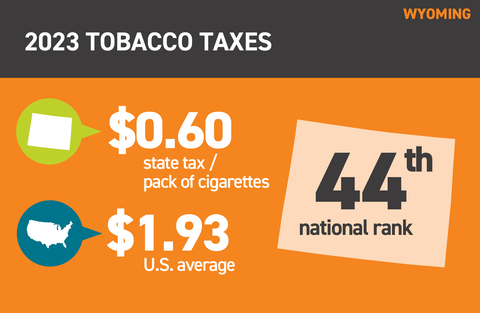
If you find out your child is using nicotine, try compassion first. These products are built to be addictive, marketed with cartoon designs and candy flavors, and sold cheap. Your kid isn’t up against bad judgment alone; they’re up against an industry designed for addiction. Acknowledge that nicotine is genuinely hard to quit, and make sure your child knows you’re on their side.
3. Share quitting resources.
Point them toward help rather than just a warning.
4. Stay informed.
Nicotine products change fast. Right now, disposable e-cigarettes and oral nicotine pouches (like Zyn) are the two products parents most need to know about.
Source: Truth Initiative
Vaping Information
What is vaping?
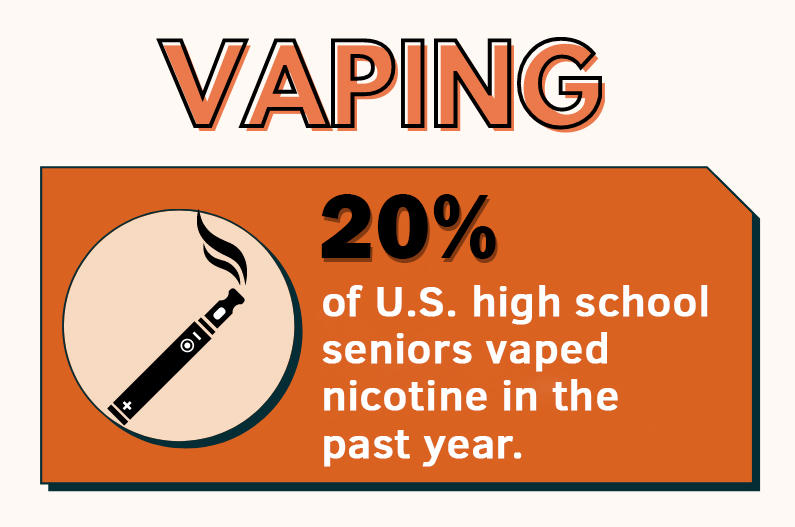
Vaping is the act of inhaling a vaporized liquid from an electronic device. The vapor commonly contains nicotine, flavoring and other additives. It also can contain THC, the chemical in marijuana that makes the user feel “high.”
What are the different vape products?
Popular terms for vaping devices include JUULs, e-cigarettes, e-cigs, smokeless cigarettes, vaporizers, vape, vape pens, vapor pens, mods, tanks, cigalikes, e-hookah and hookah pens. These vary widely in size, shape and design. Some look like computer flash drives or highlighters, while others are bulky and box-like. To learn more, visit Vaping 101: What You Need to Know.
What is in vape juice or e-liquid?
Vape juice, e-liquid, JUULpods – these are all names for the liquid that is vaporized into an aerosol cloud. Vape juice most commonly contains three ingredients: propylene glycol and/or glycerin, chemicals for flavoring and nicotine.
The pods for JUULs, the brand name of the most popular vaping device among teens, contains nicotine 100 percent of the time. The amount of nicotine in one JUULpod has the same amount of nicotine in an entire pack of cigarettes. Some vape pods can also contain THC, the chemical in marijuana that makes the user feel “high.” Complicating the issue, vaping doesn’t give off the telltale smell of smoking marijuana or cigarettes.
Some teens say they just vape flavors, without nicotine or THC. Is that possible?
While some vapes do not contain nicotine or THC, most do. In fact, 100 percent of JUULs – teens’ top choice for vaping devices – contain nicotine. And each JUUL pod contains the same amount of nicotine as a whole pack of cigarettes. Plus, studies have shown that most vaping products labeled “nicotine free” actually contain nicotine.5 For teens who don’t want to become addicted to nicotine, the safest option is not to vape at all.
Can teens under age 18 legally vape and buy these products?
Vape devices and paraphernalia cannot legally be sold to or used by anyone under the age of 18.
How can I tell if or what kids are vaping?
That’s part of the problem – it can be very hard to tell if a teen is vaping. Not only do manufacturers make discreet devices that resemble flash drives, highlighters and more, but they also do not have the same strong odor that is often a giveaway for parents and teachers. Vaping is so discreet, in fact, that students have been known to vape during class.
Health Risk
Is vaping safer than smoking cigarettes?
Some vape products may expose users to fewer toxins than a burning cigarette, but “safer” doesn’t mean “safe.” Studies have found that the aerosol from vapes can still contain dangerous toxins, including heavy metals and chemicals known to cause cancer and other diseases.
How does nicotine affect a developing brain?
Most vape devices contain nicotine, which is highly addictive. The human brain keeps developing until around age 25, and nicotine use during adolescence and young adulthood has been linked to lasting effects on brain function, including working memory and attention.
Are vape products regulated for safety?
There’s no consistent safety standard across vape manufacturers. With more than 450 different types of vape products on the market, there’s no universal requirement around product design, ingredients, or safety features.
Who actually makes these products?
Some vape brands are owned by the same big tobacco companies that have a long history of prioritizing sales over consumer safety, worth knowing since many of these products are marketed as if they’re an independent, “cleaner” alternative.
Reference: www.tobaccofreeco.org/know-the-facts/vaping-faqs/#reference-4
Oral Nicotine Pouches (Zyn and similar products)
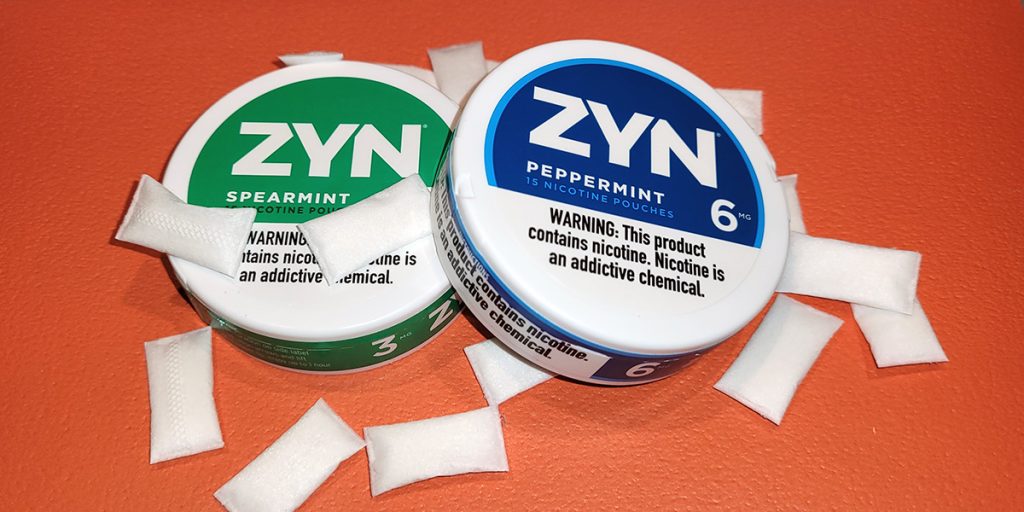
You may not have heard of these yet, but your kids probably have. Oral nicotine pouches, Zyn is the best-known brand, are small pouches placed between the gum and lip that deliver nicotine without smoke or vapor. They’ve spread quickly through social media, and unlike vapes, they produce no vapor cloud or smell, making them even harder for parents to notice.
- They still deliver an addictive dose of nicotine.
- They’re easy to conceal, no smoke, no scent, no device to spot.
- They’ve been heavily promoted through viral social videos, which has driven fast growth in youth use.
Local & National Resources
We have gathered a number of resources to help you have conversations and help you quit.
Wyoming Quit Tobacco:
Free quit support resource offering tools, information, and guidance to help people stop using tobacco products.
Smoke Free.gov:
A resource that provides encouragement, strategies, and support for navigating the process of quitting smoking.
Facts for Parents about E-Cigarettes and Vaping:
Educational resource helping parents understand vaping risks, warning signs, and how to talk with youth about nicotine.
The Truth:
Youth-focused tobacco prevention resource exposing the facts about nicotine, vaping, and the tobacco industry.
American Indian Commercial Tobacco Program:
A resource focused on reducing commercial tobacco use while respecting traditional tobacco practices among American Indian communities.
My Life My Quit:
Free, confidential quit program designed specifically to help teens quit vaping and tobacco.
EX Program:
Free, science-backed quit program offering personalized tools, expert guidance, and 24/7 support to help people quit smoking, vaping, and tobacco.
New Mouth:
Educational resource explaining how tobacco use impacts oral health, including teeth and gums.